6 Figure Engineer

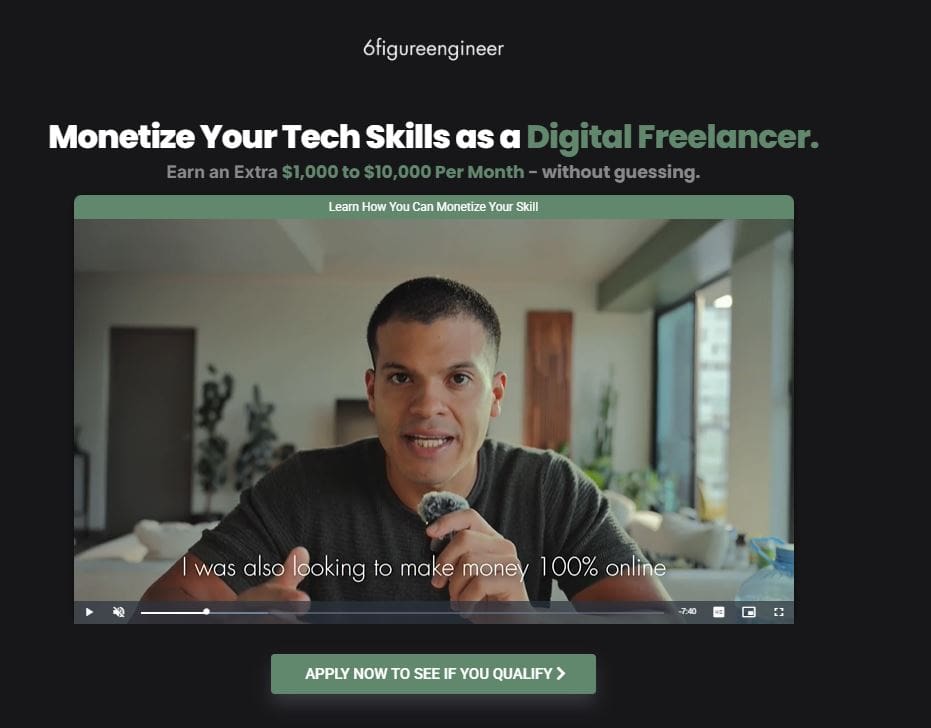
Designing a behavioral design model to increase product adoption, reduce churn rates and increase success metrics for high ticket coaching program for latam tech professionals

Key Wins:

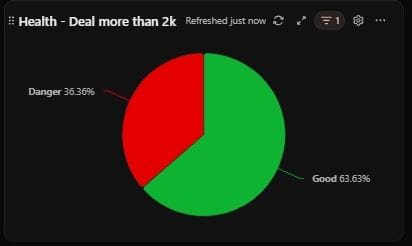
Reduced Churn Rate by 45% using Gamification Design Mechanics

Enhanced Community Engagement by 60% with Behavioral Science methods

Created Strong Onboarding Processes to set Learners for Success

Augmented Customer Lifetime Value by designing Retention and Loyalty Reward Program mechanics

Elevating Tech Talent in LATAM

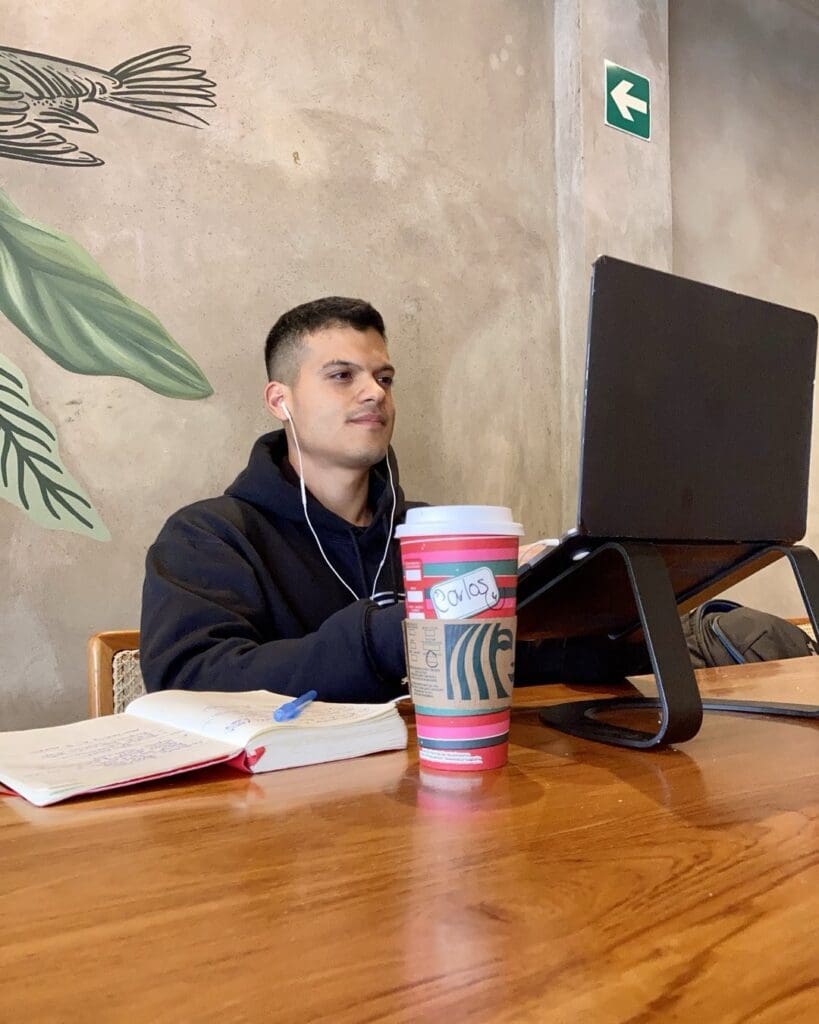
Early on his career, Carlos understood that if he wanted success he would have to open a path for himself.

Despite geographical limitations, credentials, or lack of contacts, there is always a door you can build yourself to any industry.

After a decade of success in the tech industry, he decided it was time to give back and teach other LATAM aspiring tech profesionals how to create their own path, and thats how he built the 6 Figure Engineer program

OBJECTIVES:

Transfer all the knowledge he obtained working as a Tech Professional, Product Manager and Sales powerhouse to LATAM talent.

Reinvent the mentorship, coaching and mastermind programs he ha attended to the specific situation of Latin America to help the region Tech Talent properly scale up

HUGE MARKET GAP:

  • There is limited information for how to make it in business specifically tailored for LATAM.
  • Cultural and socioeconomic barriers can prevent lots of teachings from other regions (US/EU) to properly adapt to LATAM
  • Business can also be fun and the objective was making the process of personal growth and career development an engaging and rewarding journey

THE PROBLEM:

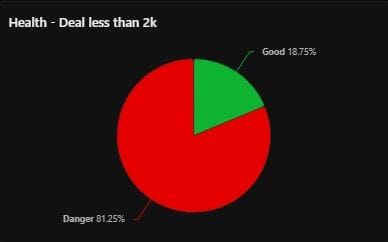
Lack of UX structures, onboardings or understanding of user psychology had alarming churn rates of 75%

People invested but could not keep up with the high demands of the program.

This case study captures how by leveraging Behavioral Science we could make the experience easier to follow and reduce the friction to keep learners engaged even when the path gets difficult.

My Role in this project:

From beta tester of the original program to UX consultant and behavioral strategist.

Gamification

Using the power of narrative, motivational psychology and game mechanics to drive engagement, course completion while reducing friction to complete high demanding tasks.

UX Research

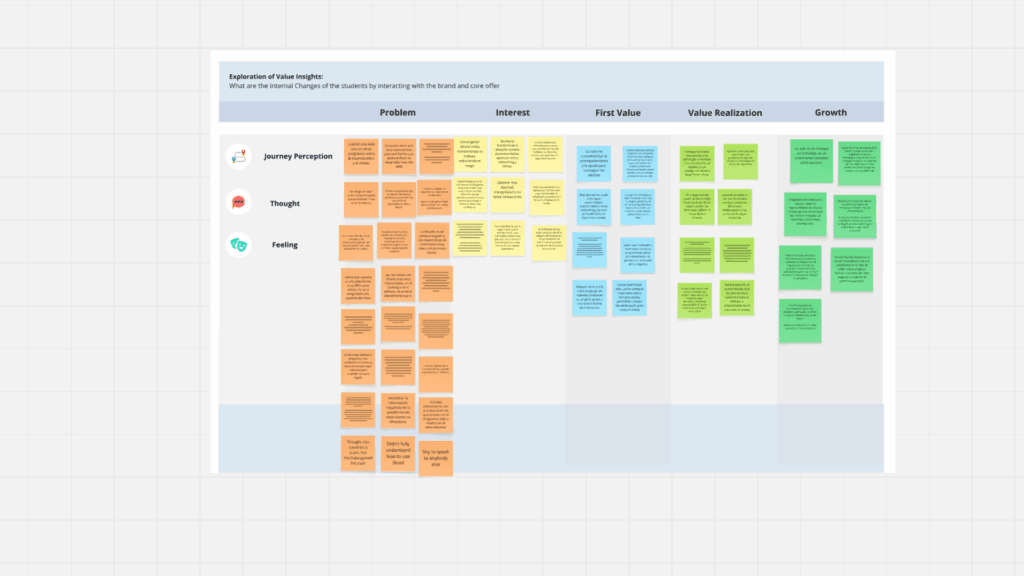
Talking with users of different ages, backgrounds and experiences, being success stories, dropouts and everything in between. To understand what drives them, what the program meant to them and capture insights to further enhance the next level of the product and experience.
Behavioral Science

Rather than focusing on a one-for-all method, tailored the learning path to address different user types by properly connecting the curriculum to different motivations, desires and pain points.

Learning Experience Design

Leveraged the difficulty of the program by using different methods that helped users embrace difficulty and turn challenge into opportunities.

How it all started?

First a QUick origin story to explain the motivations of this project

At 19 years old, Carlos Gutierrez felt trapped in meaningless call center jobs in Costa Rica…

Refusing to accept that those were the only opportunities he could have due to humble beginnings, lack of opportunities, nor contacts…

He was determined to find a way out for a better future, for himself and his family.

He got exposed to the startup world accidentally, by playing basketball in a park near his home.

Where he met two brothers that were building their startup, Carlos as charismatic as he is, got invited to work with them as an assistant to prove himself, where he quickly got a position as a junior Project Manager.

That connection opened a new reality to him and eventually got to meet all sorts of people in the business world.

Where he slowly got to learn and absorb everything he could about personal growth and sales.

Until he got an opportunity to work for Gigster as a Product Manager almost trippling his original salary.

Then more and more doors started to open as he began doing freelance and consultancy work.

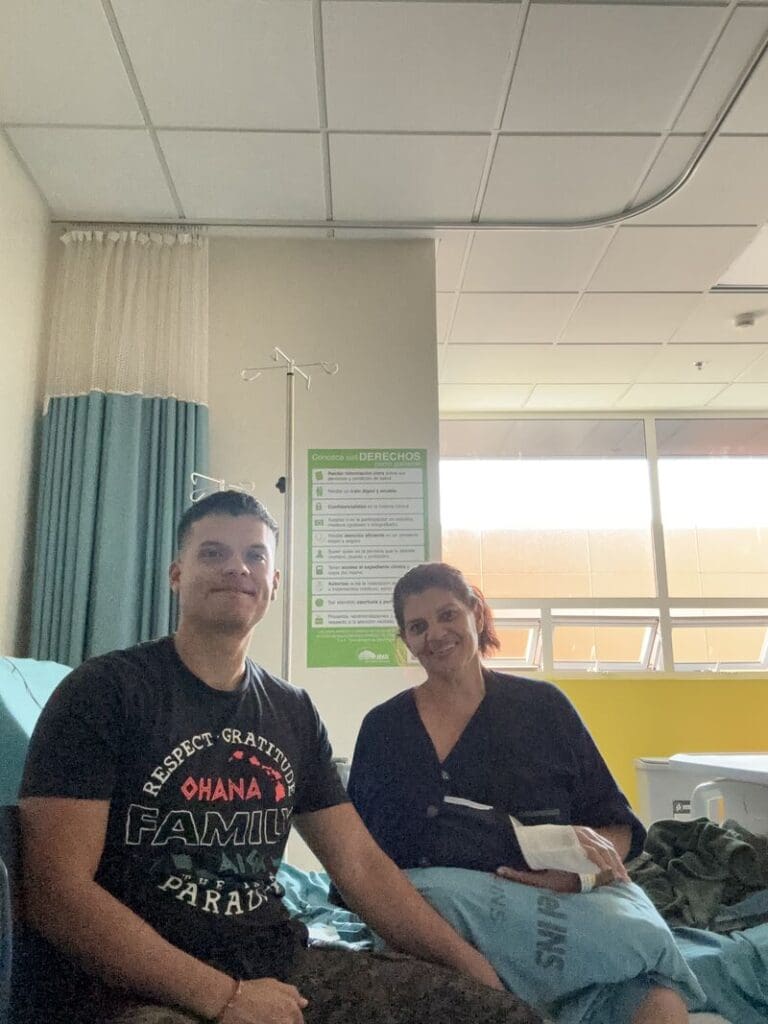
Everything changed the day Carlos got notified that his mother had a terrible accident where she almost lost her arm.

Thats when he understood that he needed to do the best he can to support his family and be a positive role model for his younger siblings.

He made a vow to himself, he will make it on business no matter how hard that would be…

The Jump to be a High-level Mentor

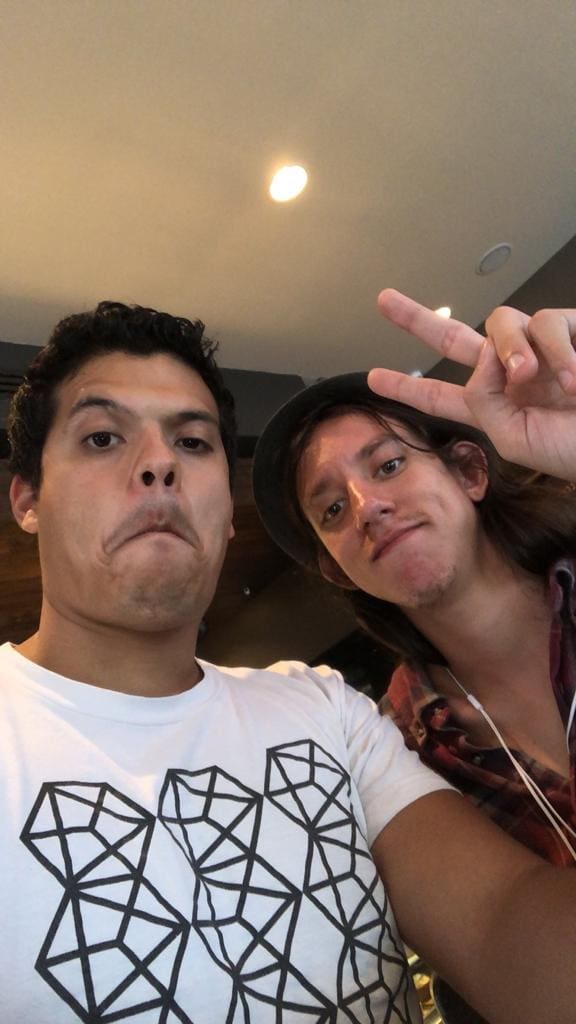
Taking his two best friends from this teenage years into business...

Carlos got to capture all sorts of insights after a decade in tech working as a digital nomad and after having all sorts of experiences and high-ticket mentoring investments.

He noticed how big the difference was between the top players worldwide vs how limted LATAM landscape actually is.

For many years he wanted to inspire me to follow on his steps regarding entrepreneurship and remote work since I wanted to build an online music school.

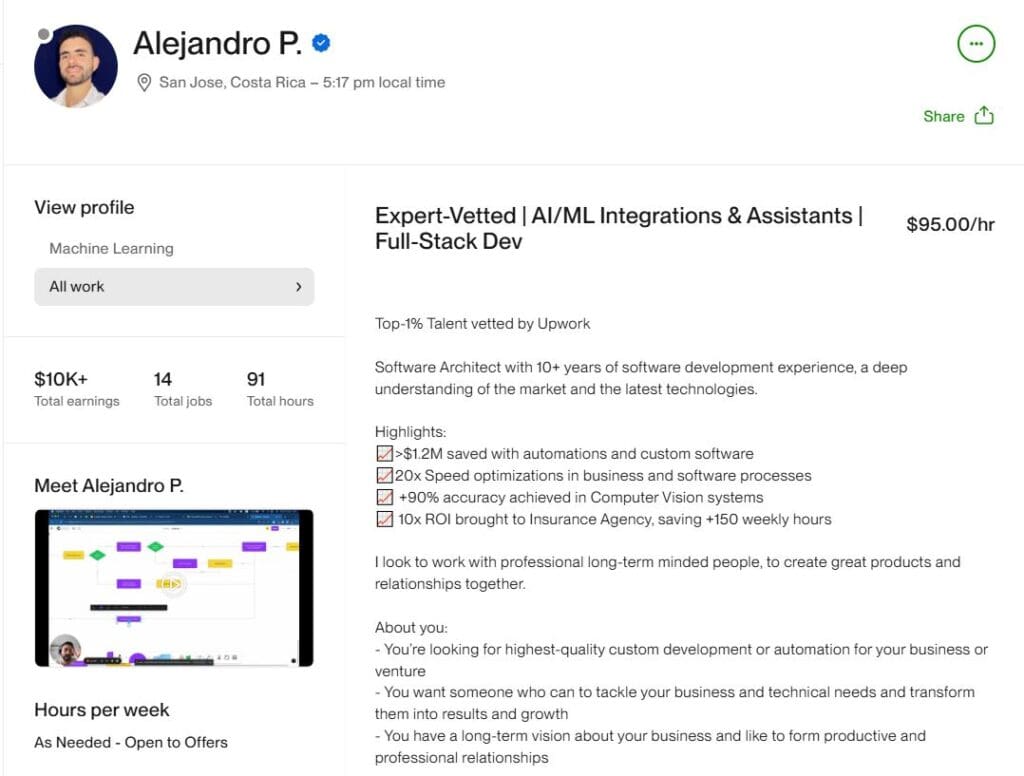
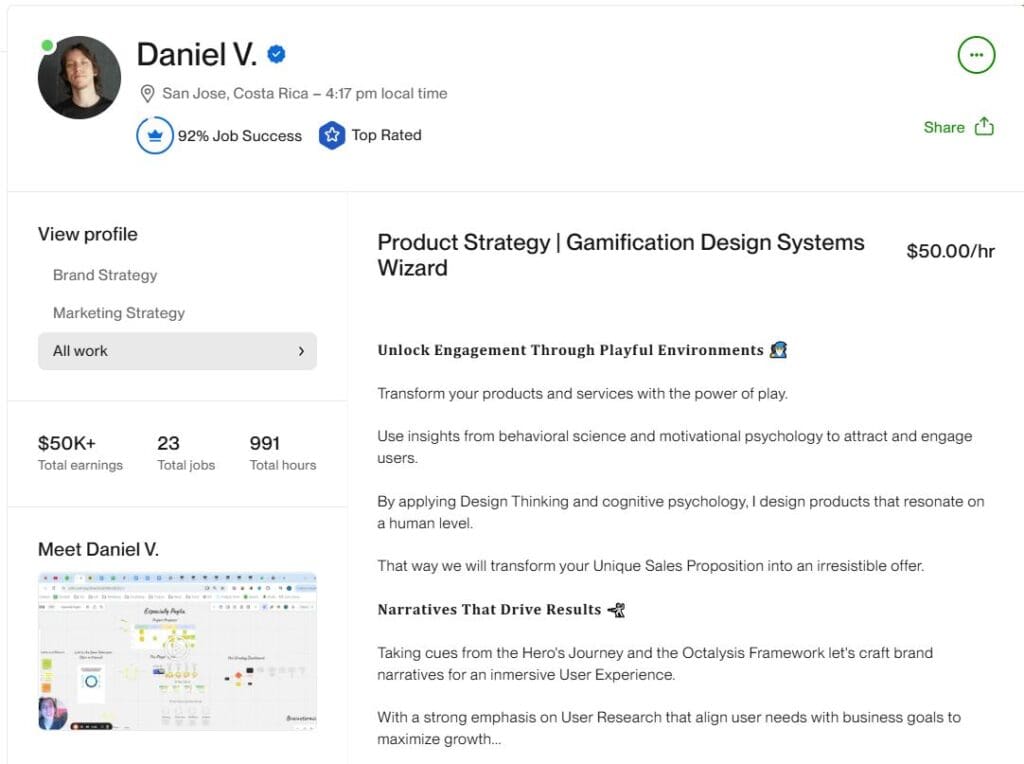
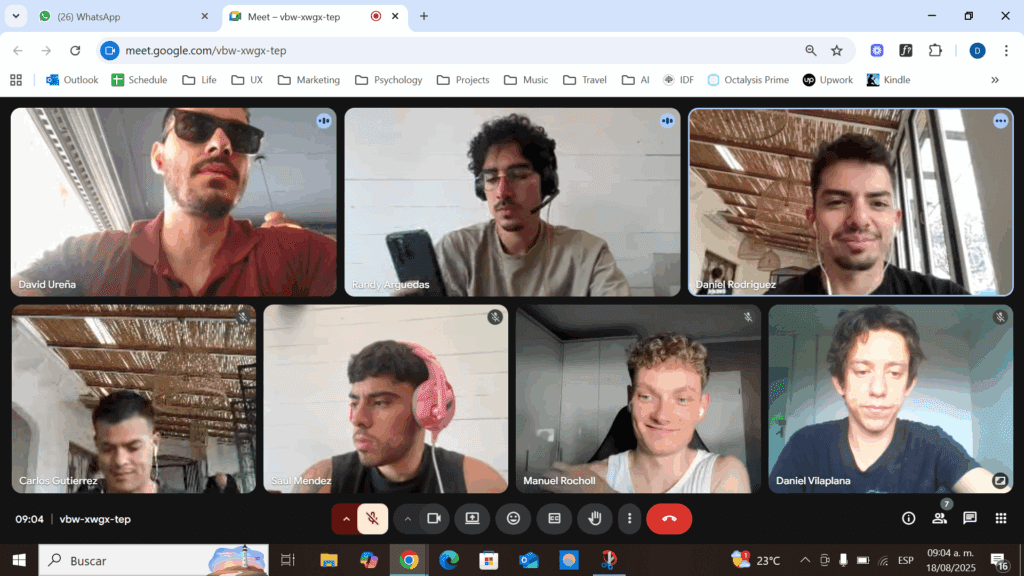
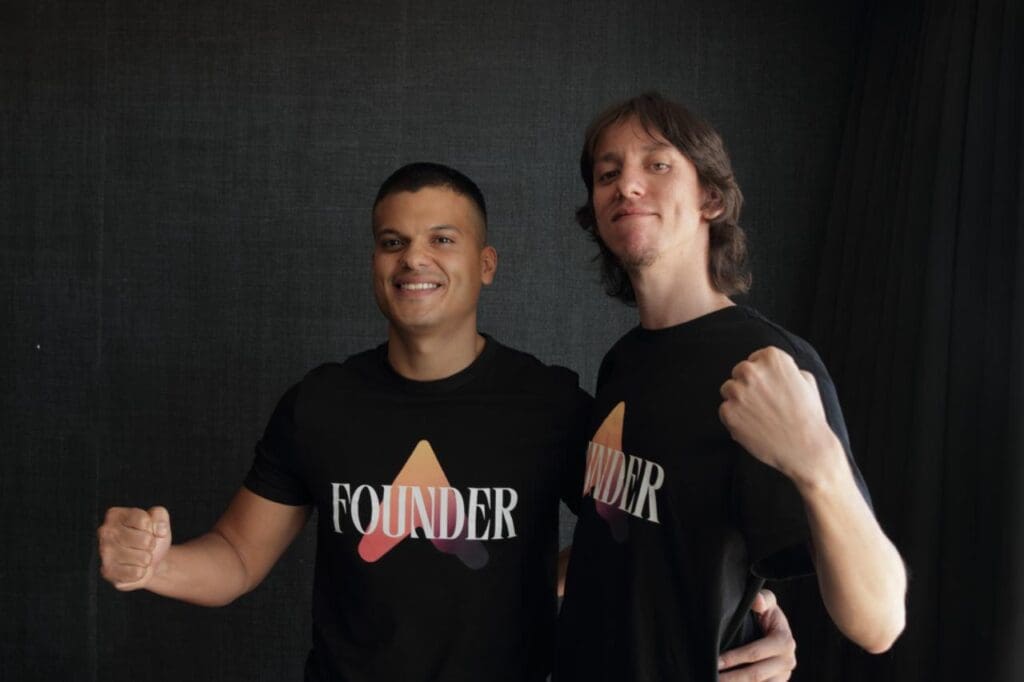
He then told me about his dream of being a top voice in the business world in LATAM and took me (a beginner UX designer) and his friend Alejandro Pereira (a senior software engineer working on Intel) to be the beta testers of his coaching program to learn how to sell services online as a highly paid freelancer and consultant.

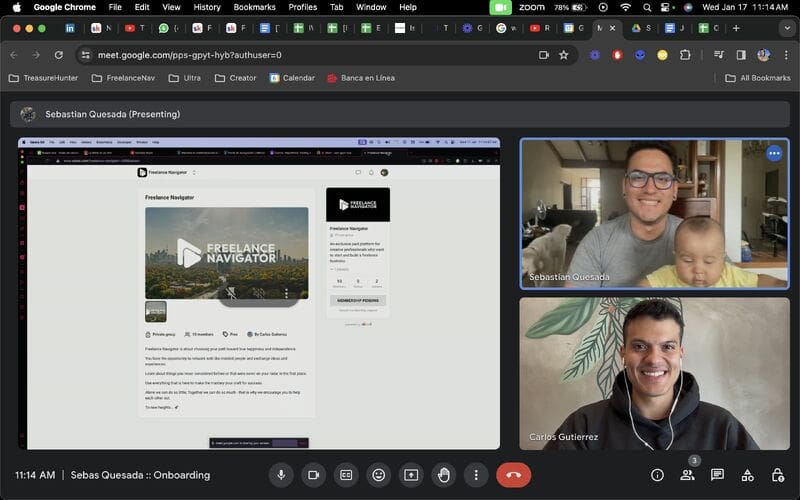
The original program was a broad offer called freelance navigator before deciding to niche down to software engineers.

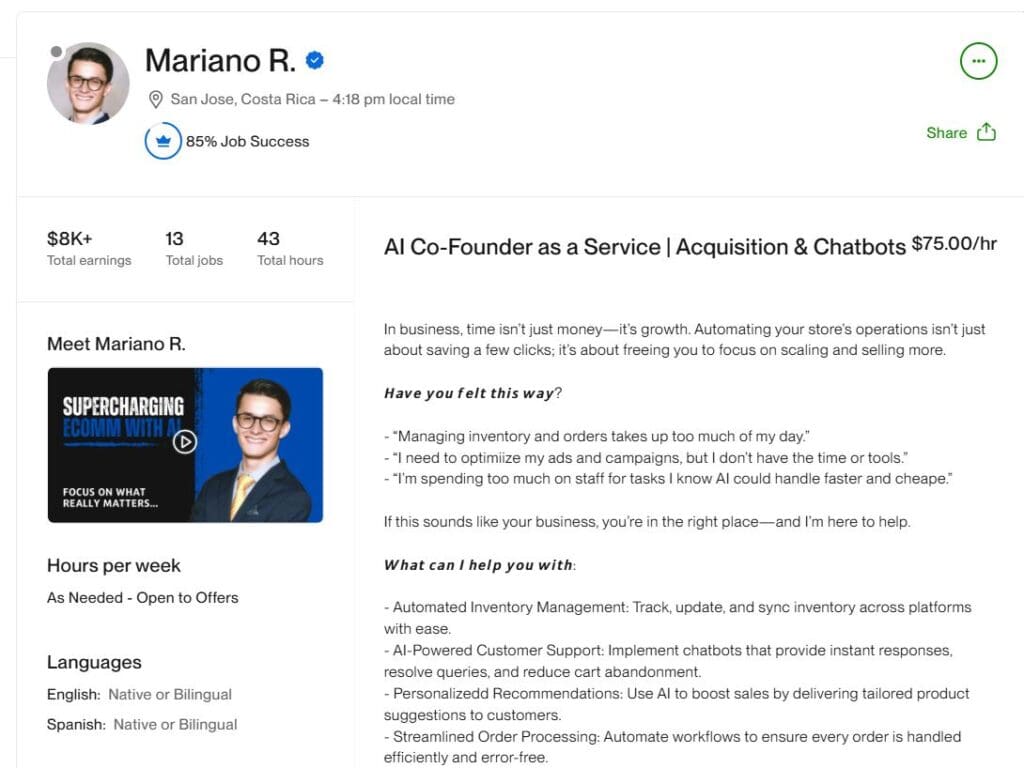
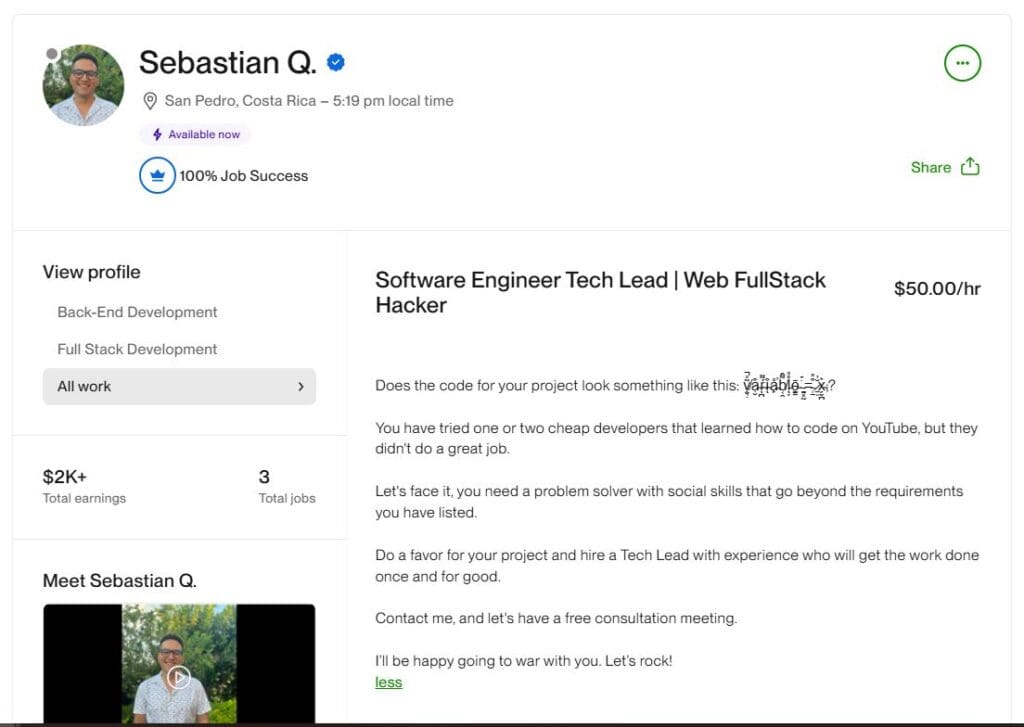
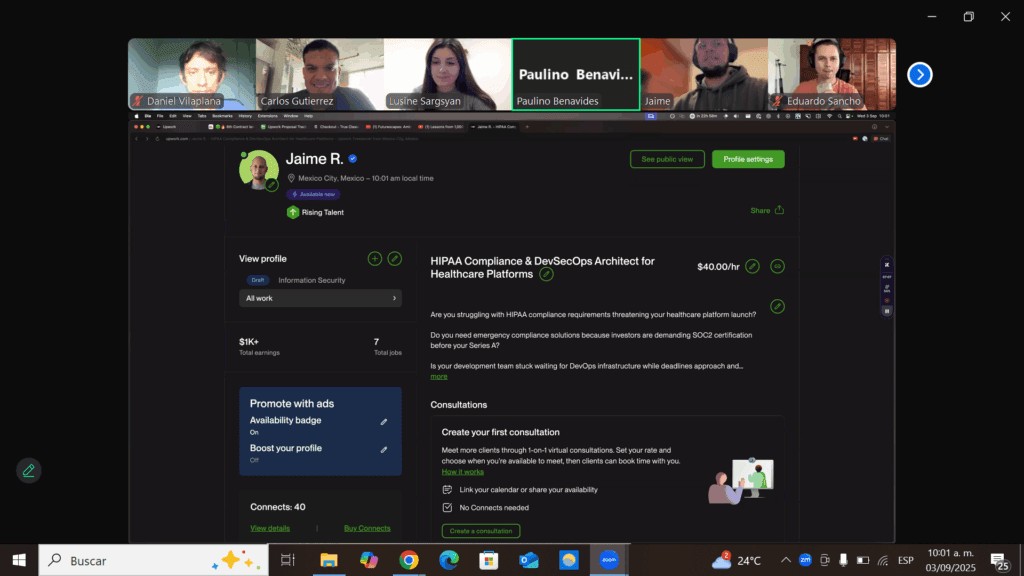
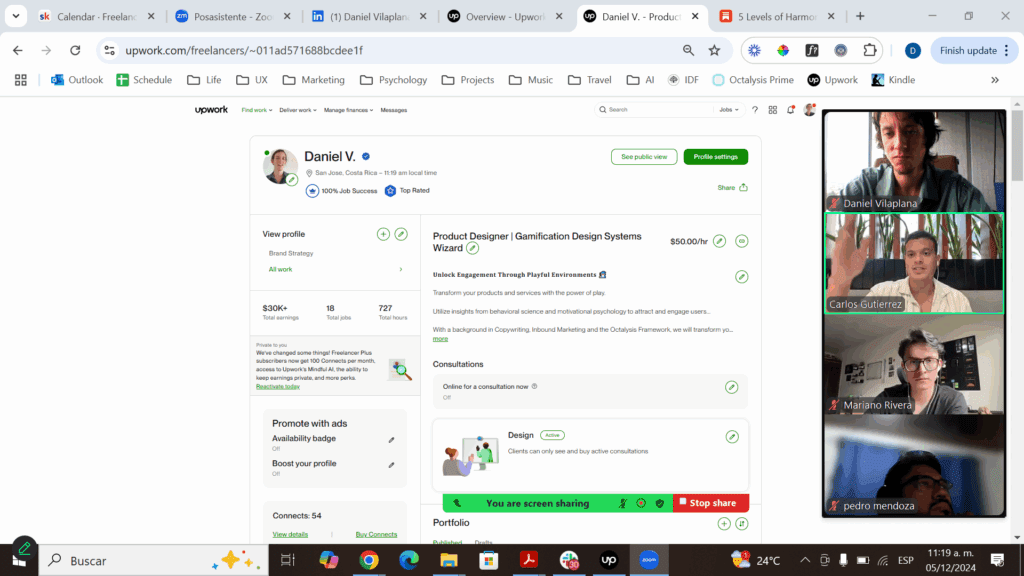
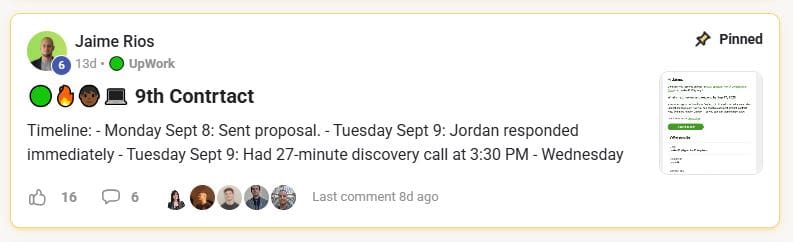
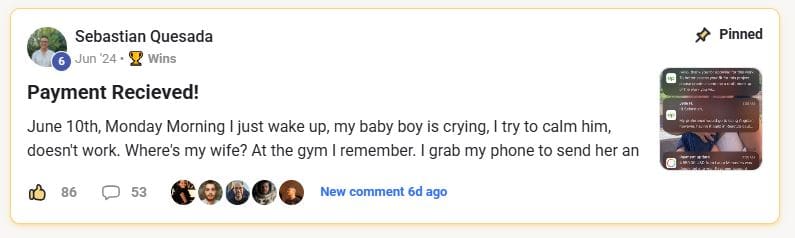
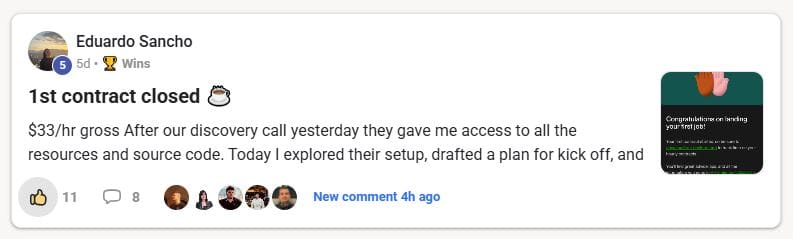
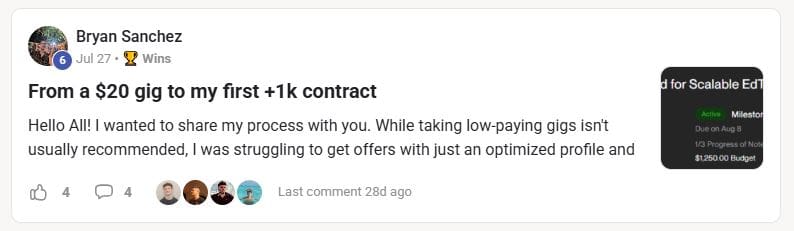
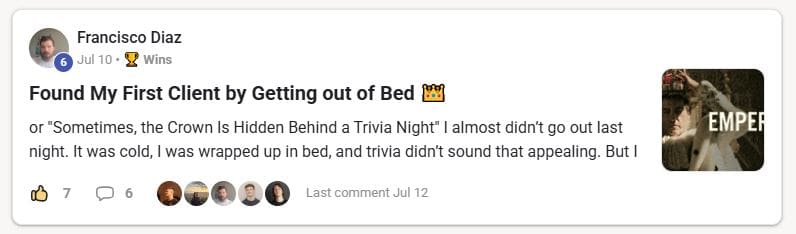
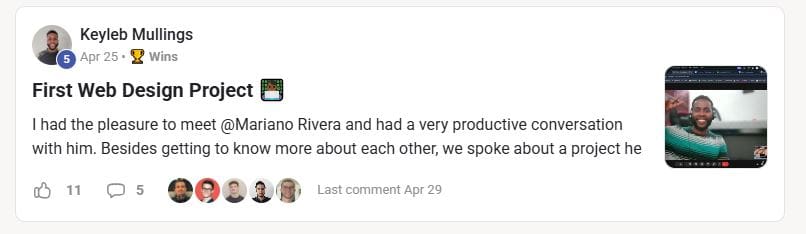
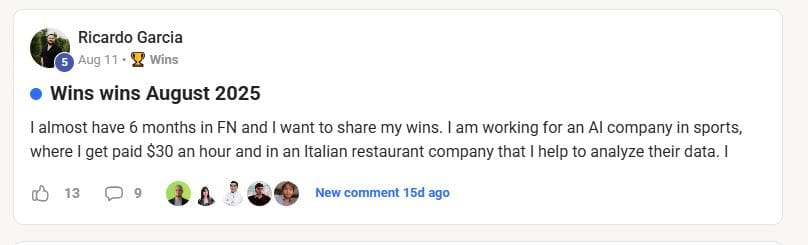
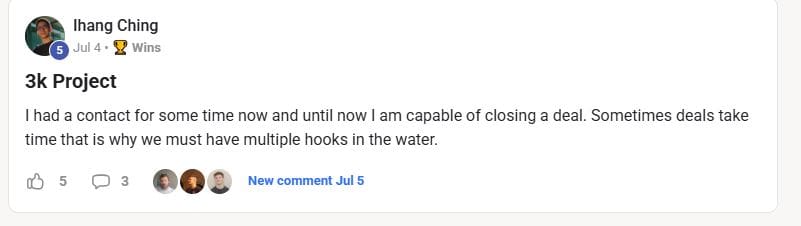
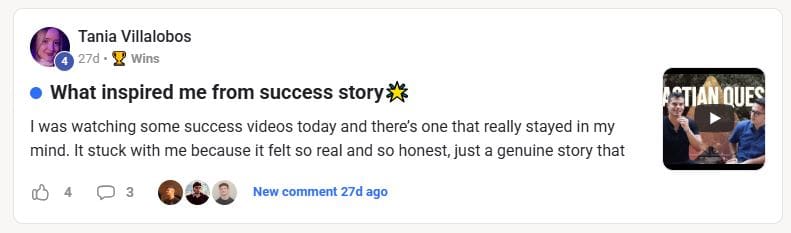
Some of the early success stories of the program in the Upwork Platform.

The program covered how to productize knowledge into different packages, how to get leads, do appointment setting and close projects for clients worldwide using platforms like Upwork and Linkedin.

He then did an excellent job transferring methods from his years working on Product, to how his students delivered to clients, communicated through the project, and kept growing online.

His methods were holistic, involving aspects of marketing, copywriting, sales, and project management…

To personal growth, mindset, belief systems, and even fitness training.

Profile optimization was a cornerstone of the program to be able to position and properly showcase the value to clients.

Turning into a Movement...

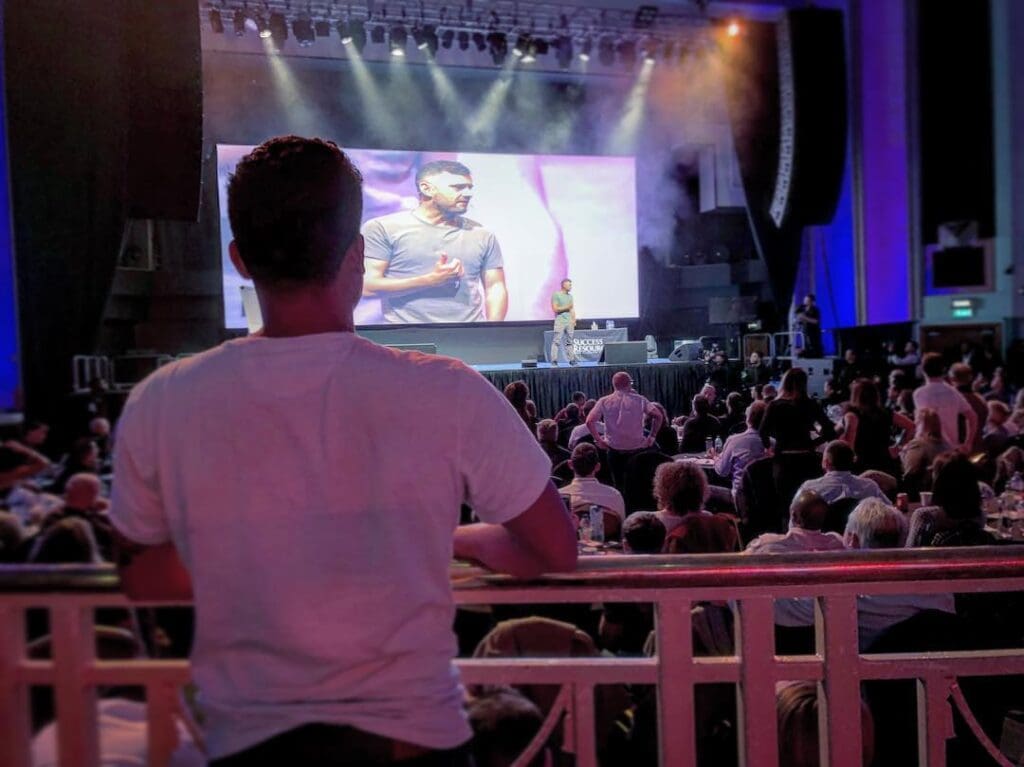
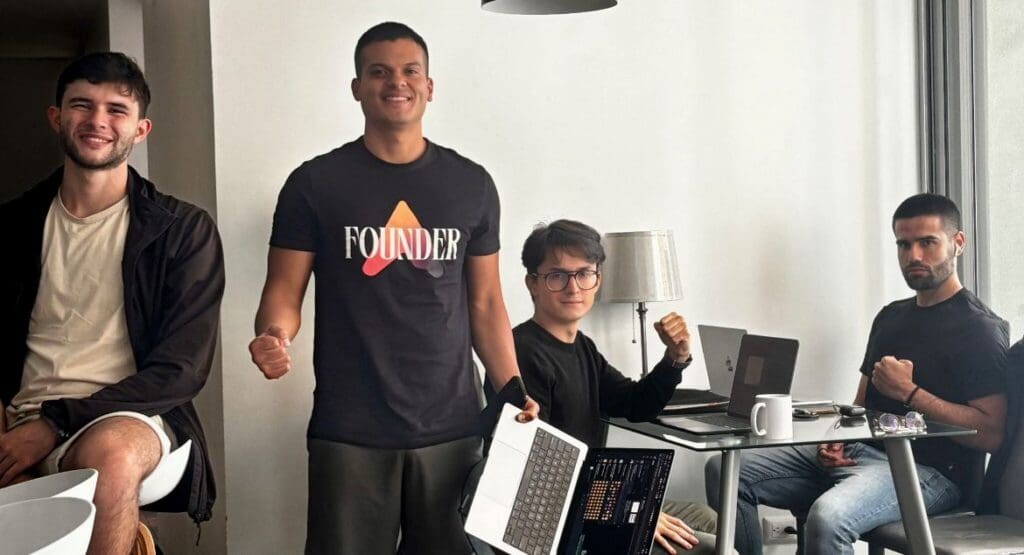
Increasingly, tech professionals were joining the program in various parts of Costa Rica.

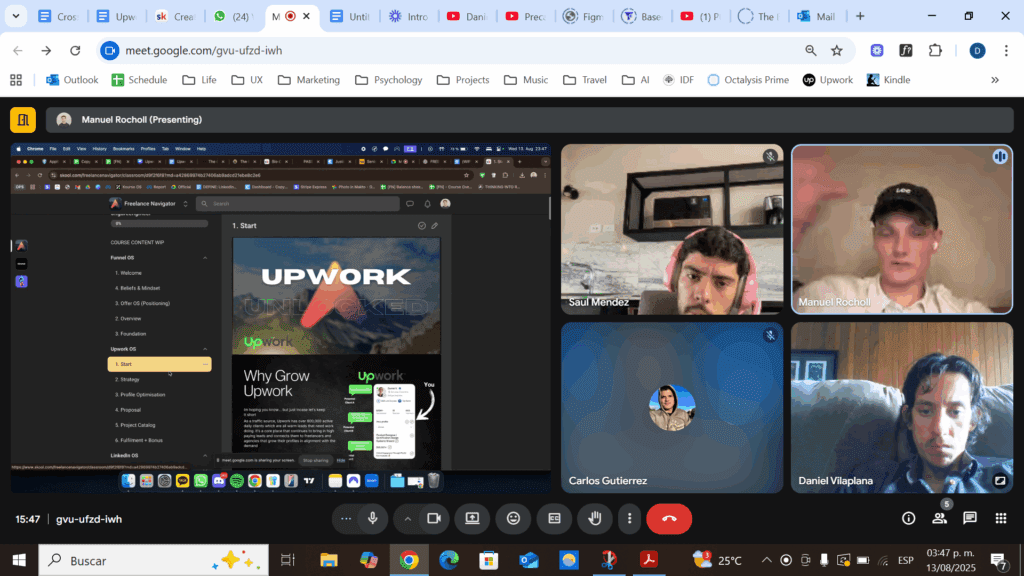
The community initially grew strong, primarily online through the Skool platform, with weekly one-on-one coaching calls and group calls covering various aspects of the program.

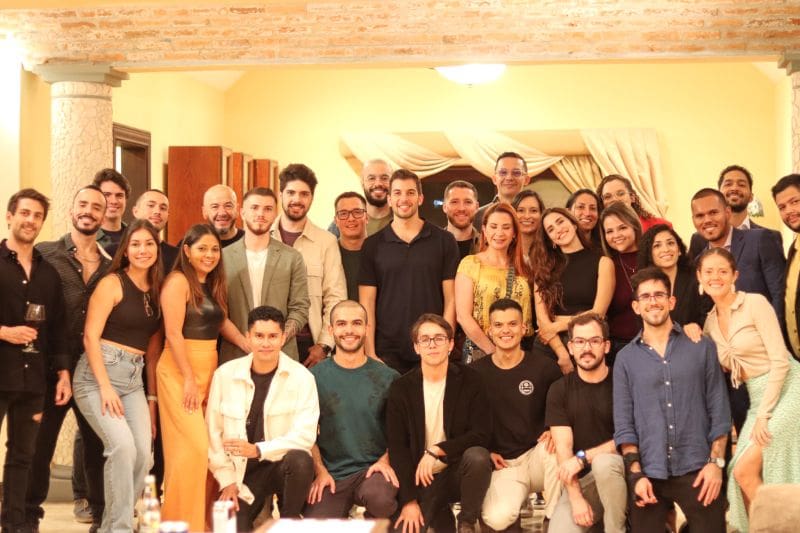
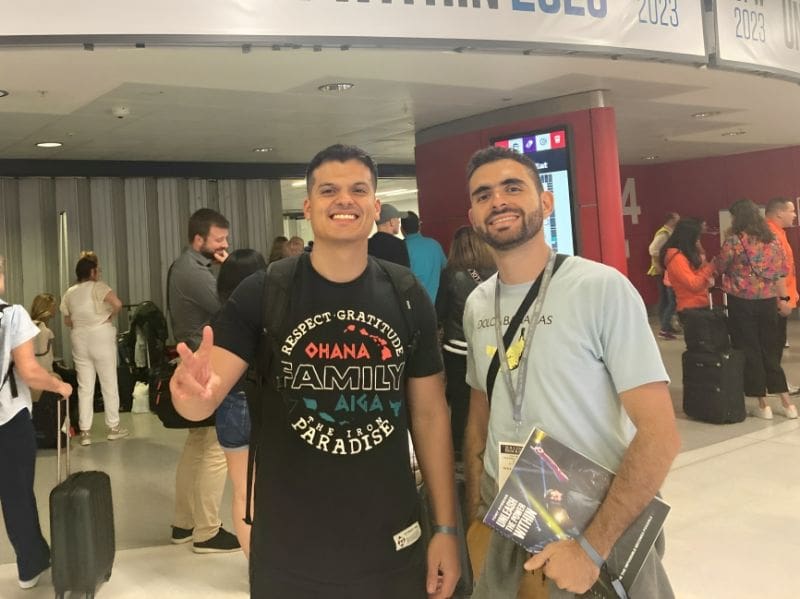
A couple of in-person events were done, and the results were mixed.

Many were able to break through as online consultants or freelancers, others got their dream job using the tactics from the program, but a great percentage of members burned out, quit, or gave up, as they simply could not keep up with the high demands of the program culture.

Scaling and Dealing with High Abandonment/Churn Rates...

After serving 300+ tech professionals in Costa Rica, it was time to expand horizons.

The program reached and had some initial good acceptance with Mexico tech scene.

However, it wasnt has hugely adopted as it was at the beginning.

Carlos was tired, found out he would need a strong team to back him and he program would need to evolve to reach a wider audience.

Most of the original population had graduated or left, but they wanted to understand what was missing or what was needed to be done to have the best program for engineers.

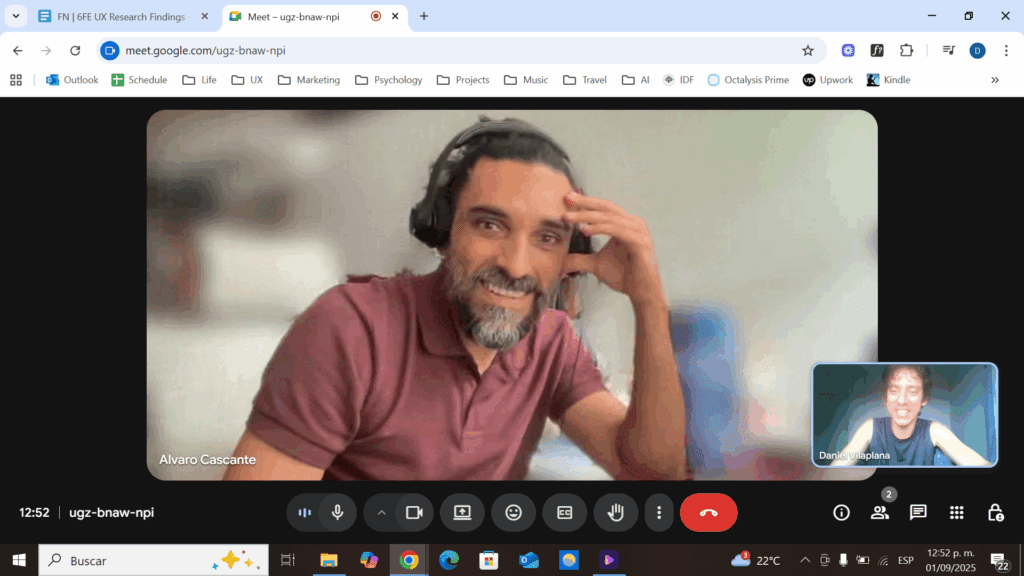
So I was reached by Carlos to work on as UX consultant to conduct research with as many members as possible and then come up with different ways to tackle the high 75% churn rate and explore tactics to increase course completion rate, community engagement, participation in live calls and overall success of the learners.

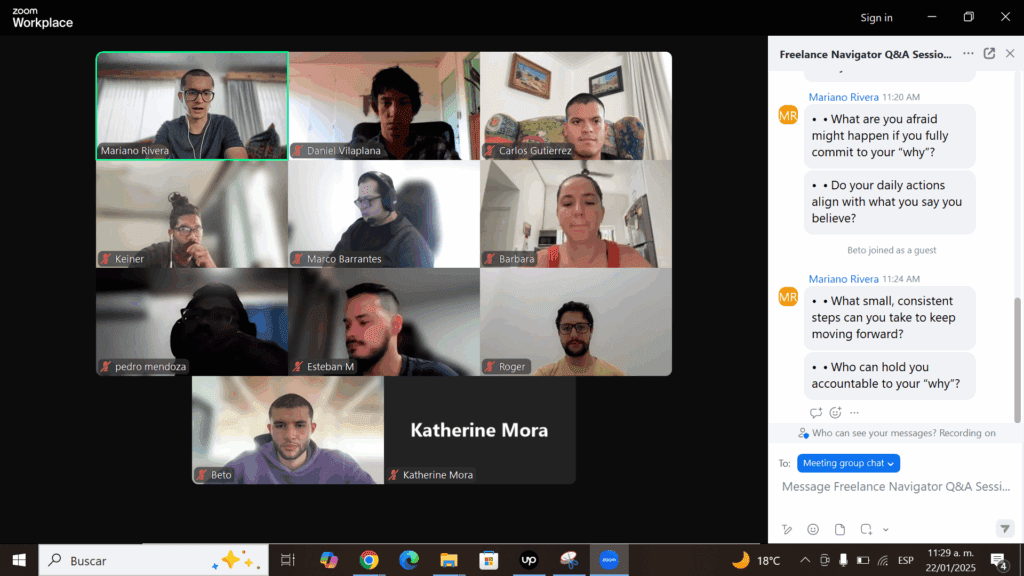
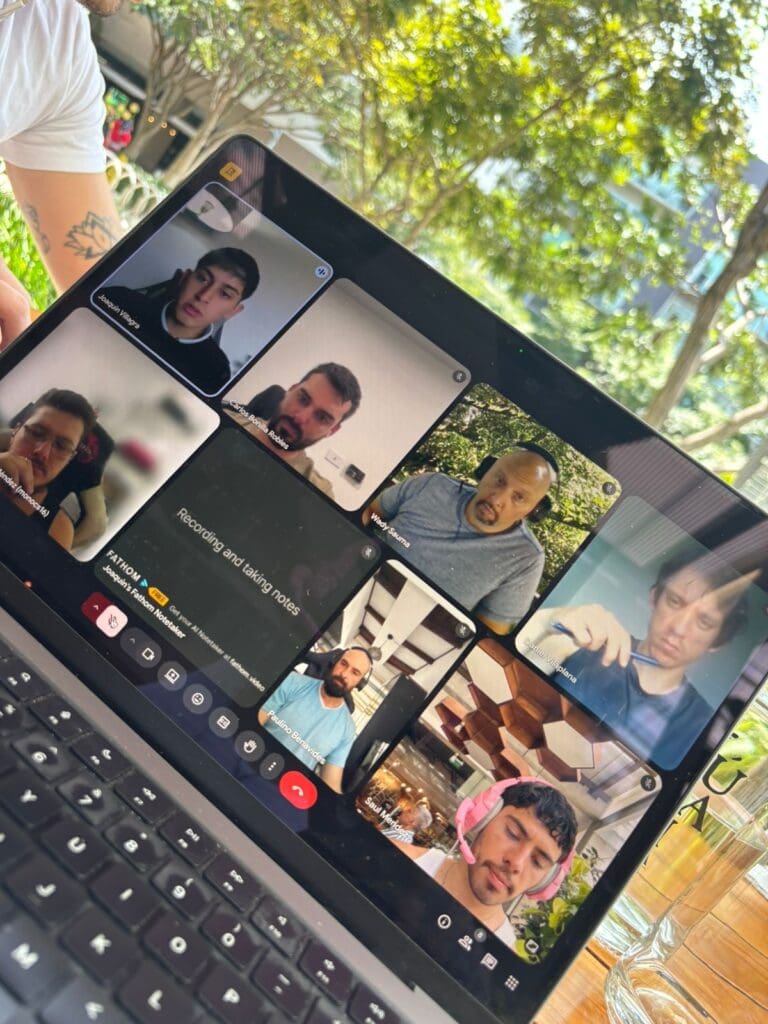
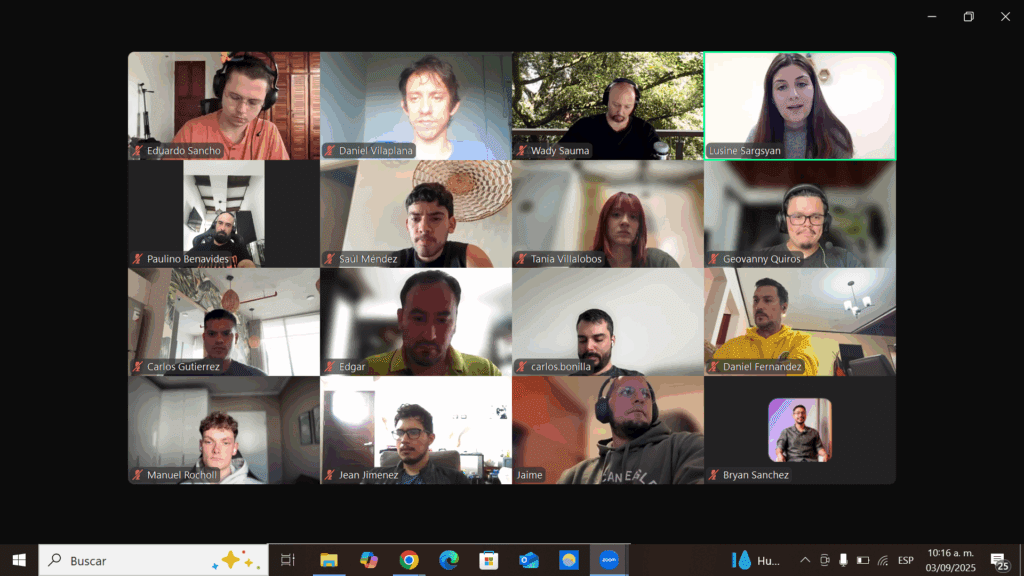
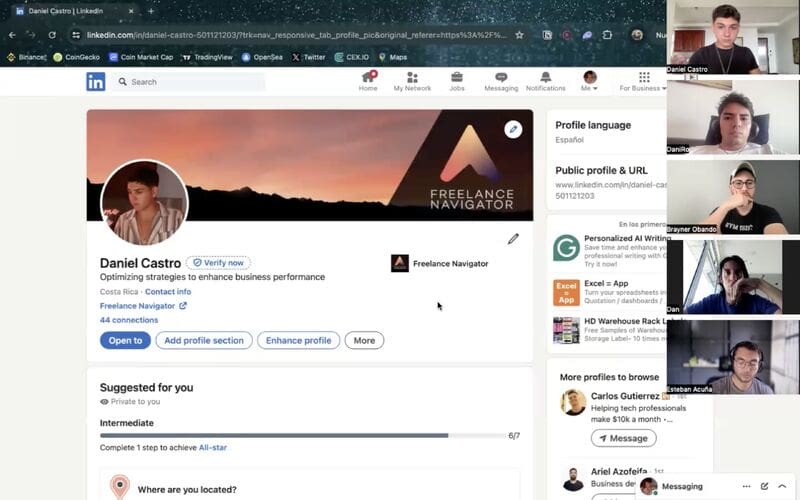
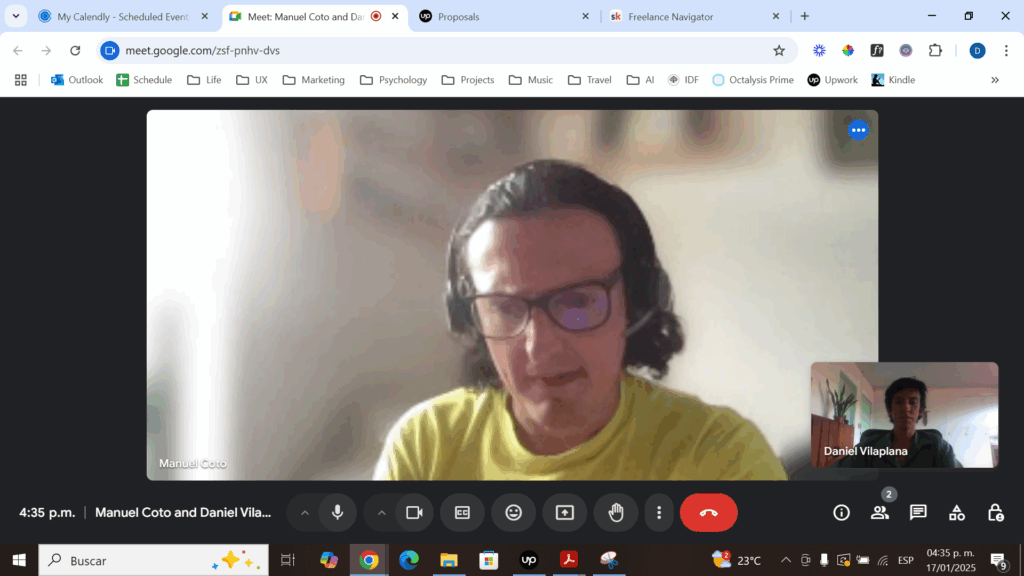
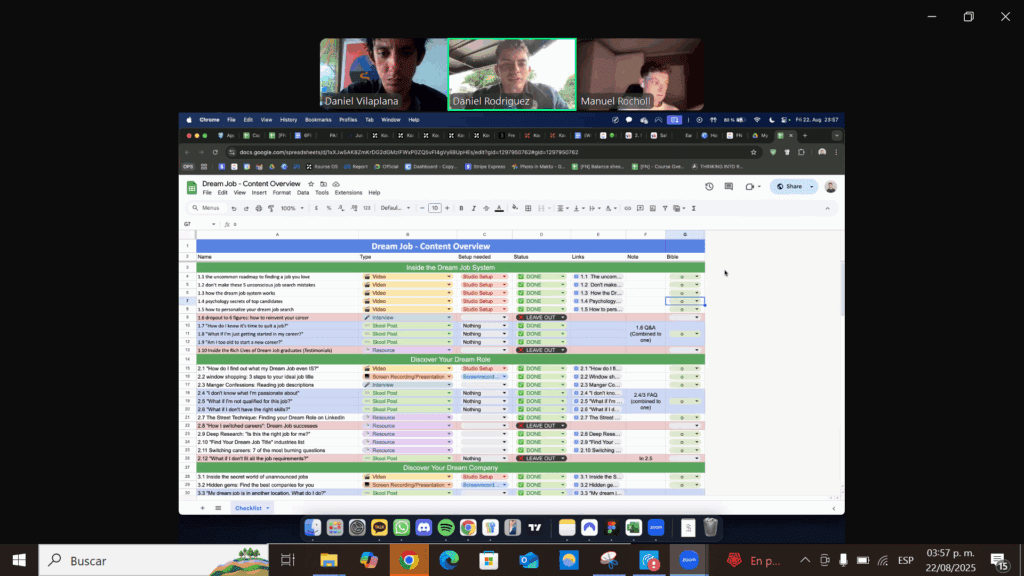
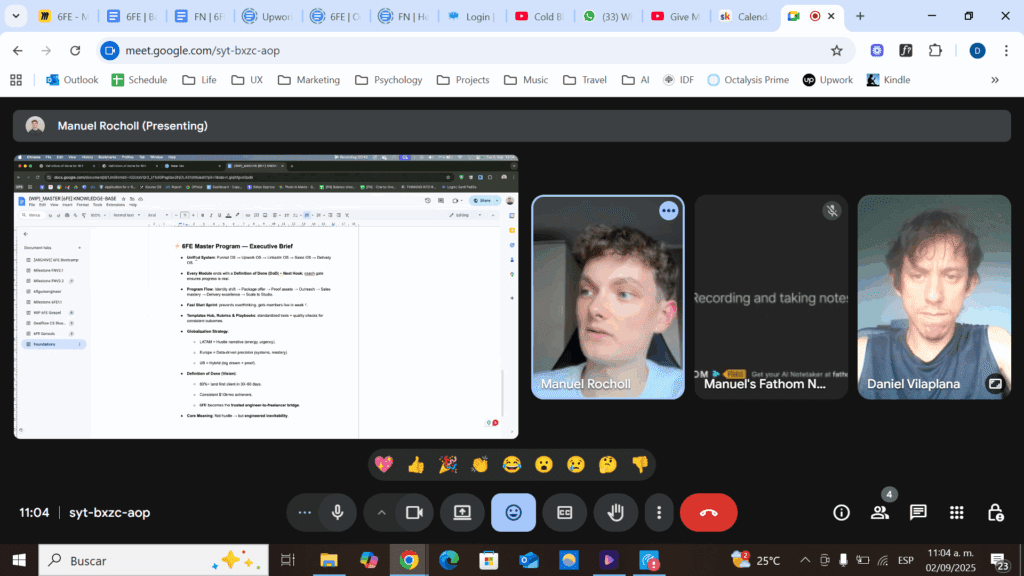
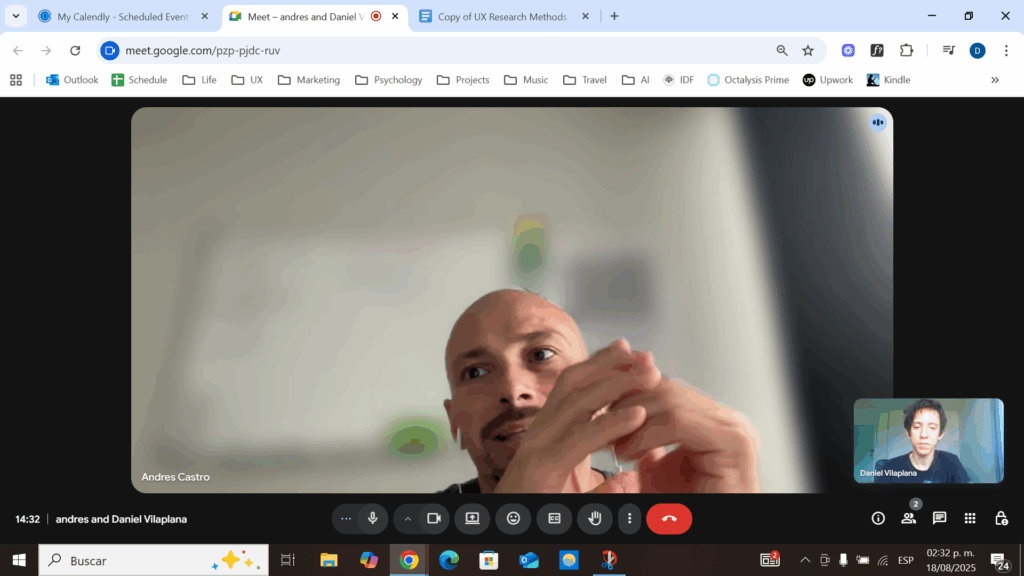
I started to meet with the team daily, audited the program, talked with 30+ members, runned surveys, focus groups and then initiated an evolution of the curriculum.

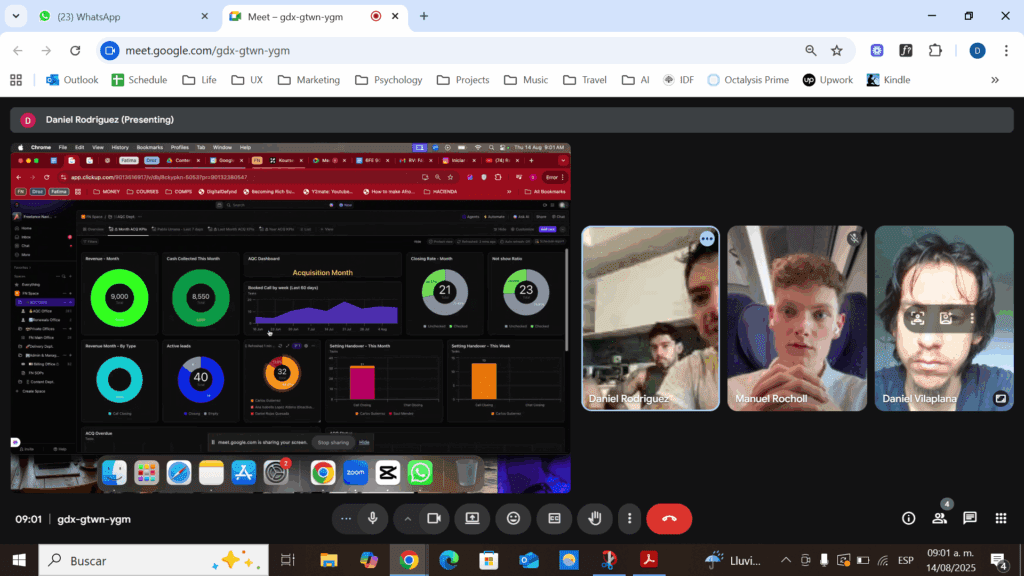
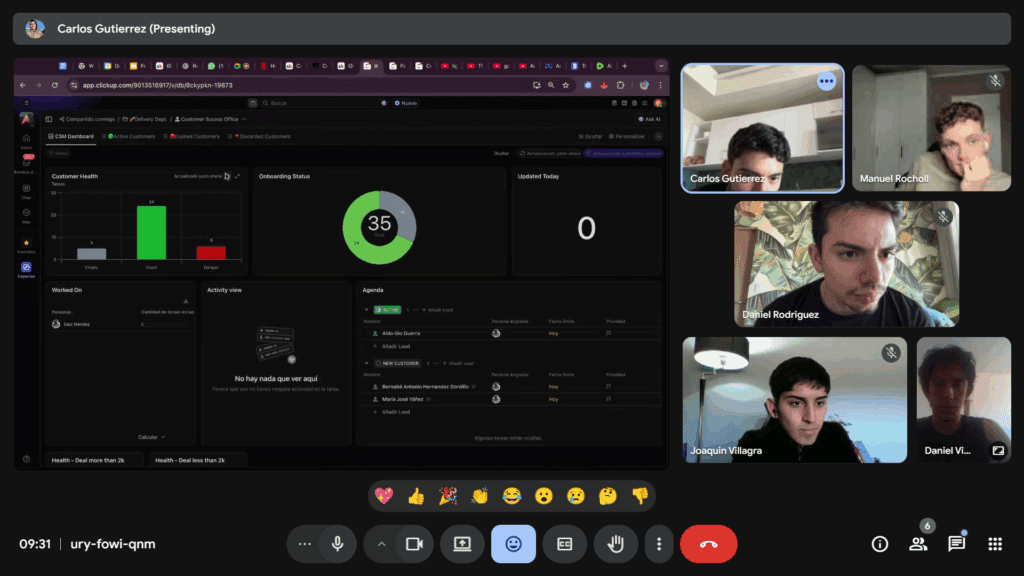
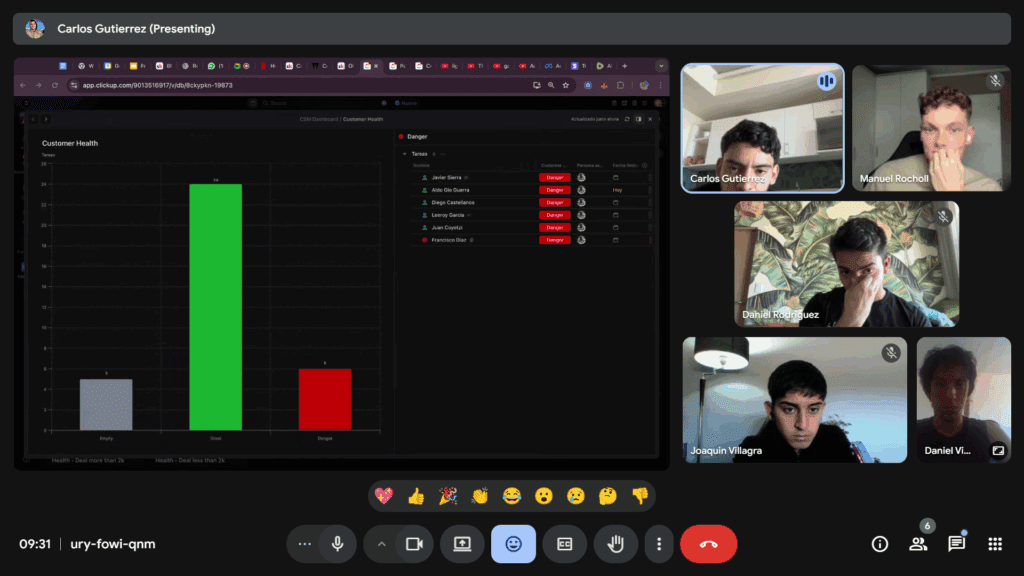
Coached their new Customer Success Manager with several UX best practices to implement better accountability coaching and insight gathering to explore how to best serve the audience.

High abandonment rates.
Goal: find why and how to fix it

Phase I: UX Strategy

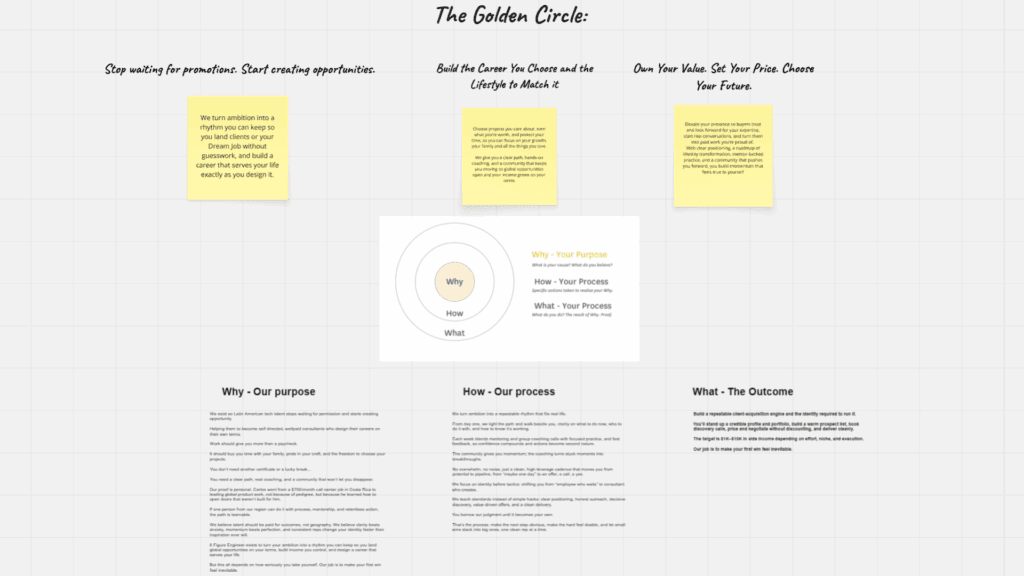
The Golden Circle Framework

Purpose (Why):

We exist so Latin American tech talent stops waiting for permission and starts creating opportunity.

Helping them to become self-directed, well-paid consultants who design their careers on their own terms.

Work should give you more than a paycheck.

It should buy you time with your family, pride in your craft, and the freedom to choose your projects.

You don’t need another certificate or a lucky break…

You need a clear path, real coaching, and a community that won’t let you disappear.

Process (How):

We turn ambition into a repeatable rhythm that fits real life.

From day one, we light the path and walk beside you, with clarity on what to do now, who to do it with, and how to know it’s working.

Each week blends mentoring and group coaching calls with focused practice and fast feedback, so confidence compounds and actions become second nature.

The community gives you momentum; the coaching turns stuck moments into breakthroughs.

We focus on creating an identity shift before tactics: shifting you from “employee who waits” to a consultant who creates.

Outcome (What):

At the end, you will build a repeatable engine that turns skill into income and options.

You leave with a clear position in the market, a credible presence that opens doors, and a pipeline that creates real conversations, week after week. 

For some, that means the first (or next) high-value client on the side…

For others, it’s the Dream Job that brings stability, pride, and breathing room at home. 

Either way, you gain the identity and the system to do it again, on purpose, never by luck.

Dream of that lifestyle you always envisioned and make it your personal reality.

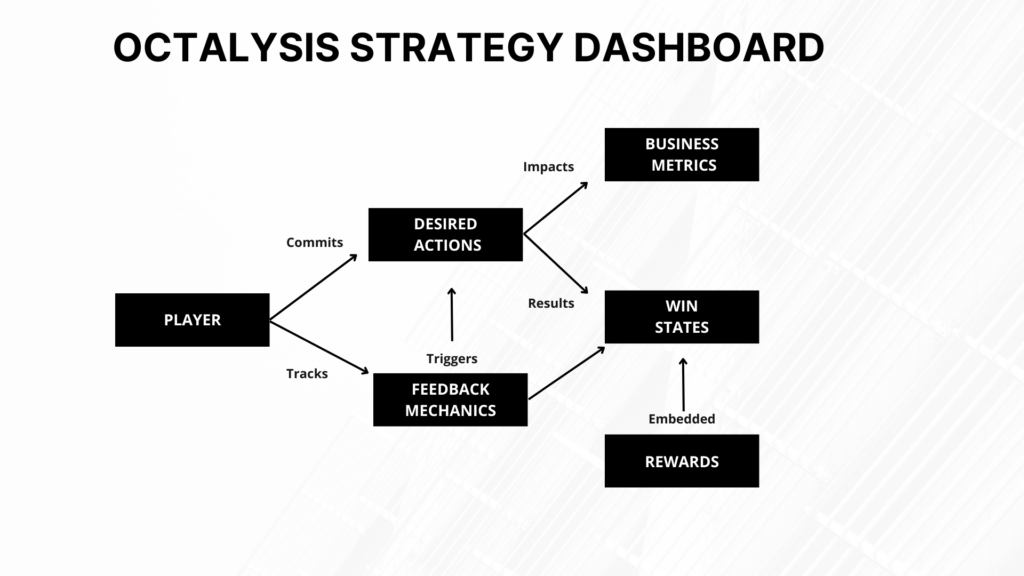
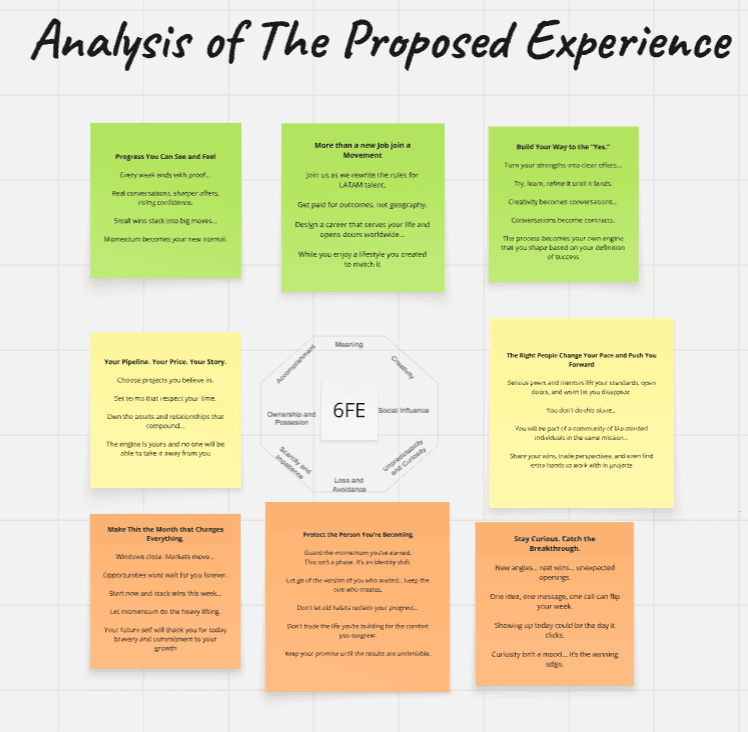
The 8 core drives of human motivation
(Octalysis Framework)

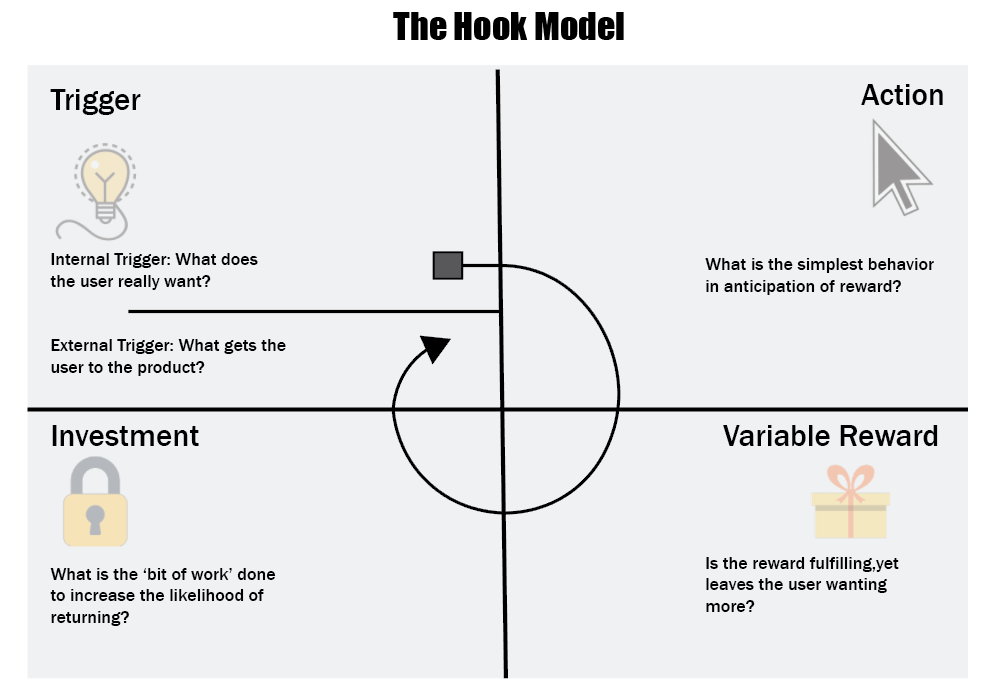
Habit Formation (The Hook Model)

Identified Recurrent Patterns from UX Research

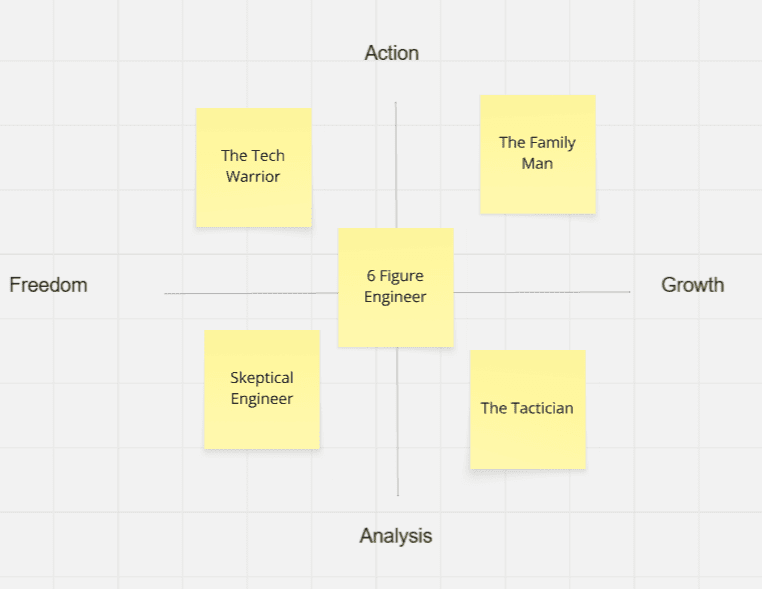
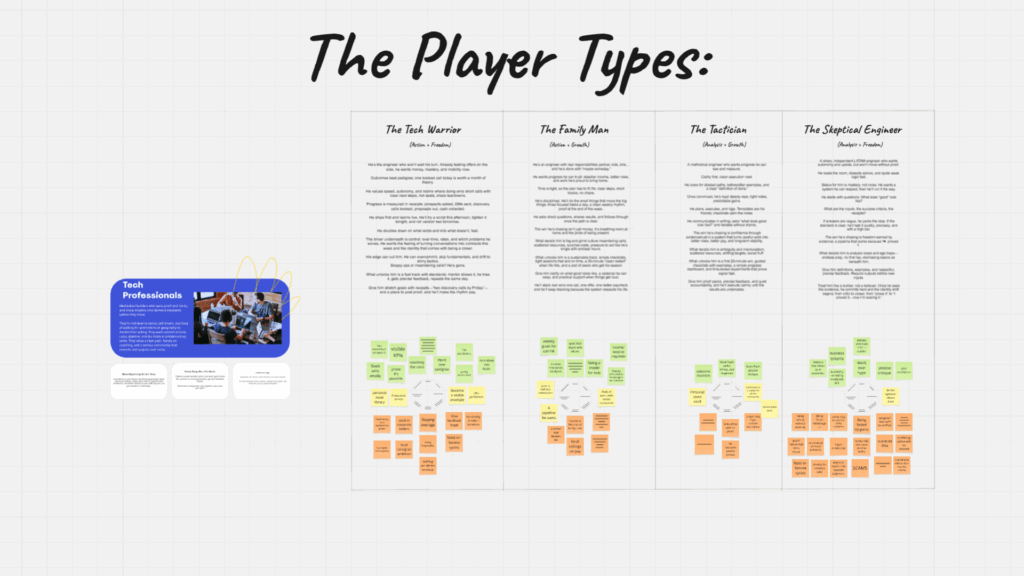
The four player types

After talking with 30+ students one-on-one, organizing focus groups, reviewing surveys and reviewing the community posts:

I identified these four groups:

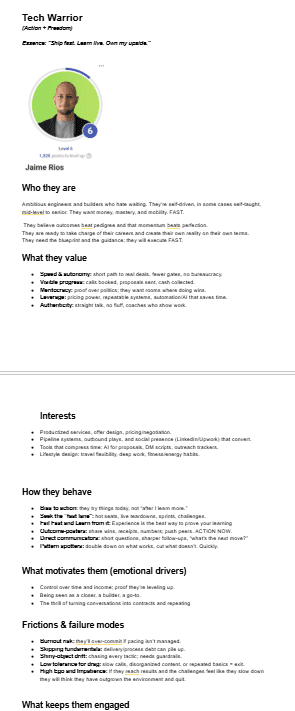
  • The Tech Warrior: Moves first, learns fast, and chases freedom. Thrives with clear goals and guardrails to avoid burnout. Very driven and self-starters.


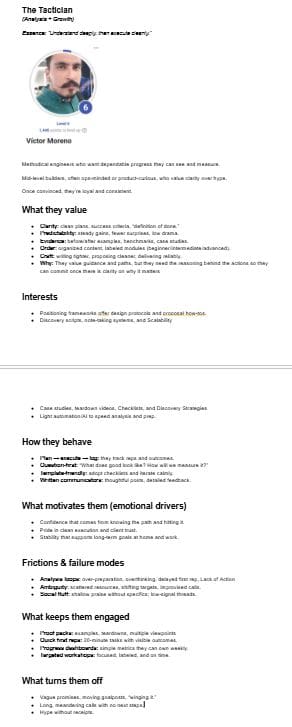
  • The Tactician Thinks in systems and wants crisp plans, executes hard once the metrics and steps are airtight. Struggles frequently with analysis-paralysis.


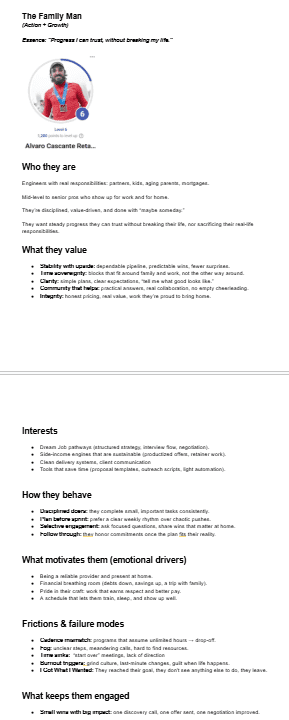
  • The Family Man Ambition with obligations, seeks steady, meaningful wins that fit a sustainable cadence. Hates hustle culture and can feel guilt for not keeping up due to real life responsabilities.


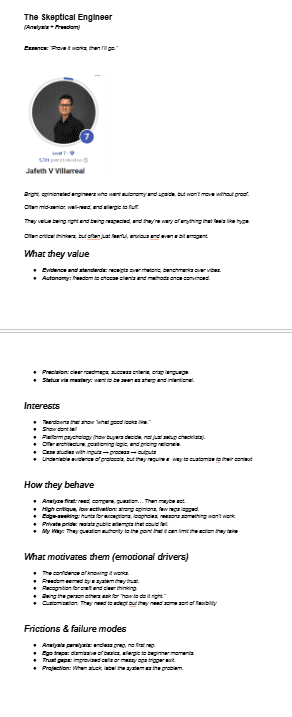
  • The Skeptical Engineer Independent by default, acts only when the proof is undeniable and the “why” is rock-solid.

The four player types: Their Motivations, desires and fears

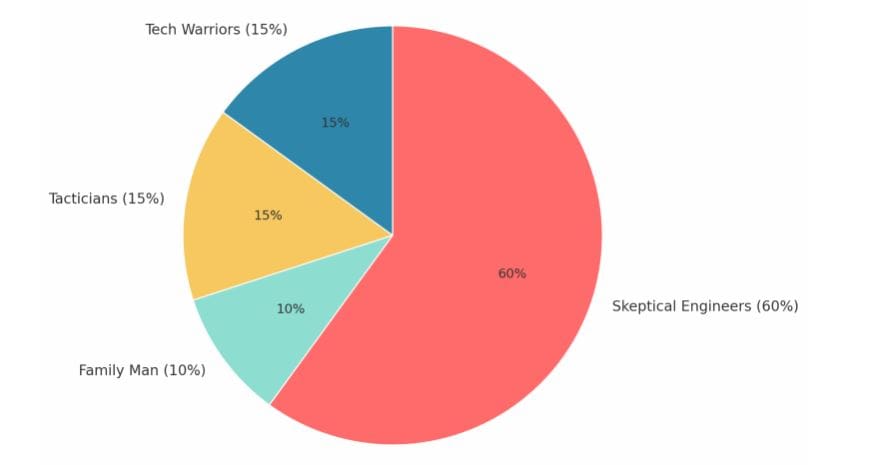
  • 60% of learners were of the Skeptical Engineer type. Meaning they wanted growth but second-guessed everything, did not perform tasks unless specifically explained why, given data, examples, or demonstrations.

    The majority of the population simply did not follow blindly the recommendations, and if their skepticism was not met, they abandoned. This ended up being the highest percentage of the churn rate.

  • 15% were the Tech Warrior archetype, which was the main player type in mind for the original design, meaning high achievers, hustlers.

    The abandonment reasons were mainly between burnout and in some cases, outgrowing the platform and community due to a lack of advanced resources for the elite few.

  • 15% were the tactician type, which tend to over-analyze and prepare a lot, they risk getting stuck due to analysis paralysis and require a balance between action and preparation.

  • The final 10% of people were the Family Man archetype, already successful and established tech professionals who were looking to earn income on the side or get to unlock their Dream Job.

    Most of the time they disliked the excessive hustle culture, and their churn was either based on guilt for having responsibilities and not enough time or simply quitting after getting what they wanted.

Once we had a clear understanding of the different players we were able to balance the mecanics of the platform to cover all their needs.
Aiming to capture the best traits of each to create the 6 figure engineer

Phase II: The Ideation Phase

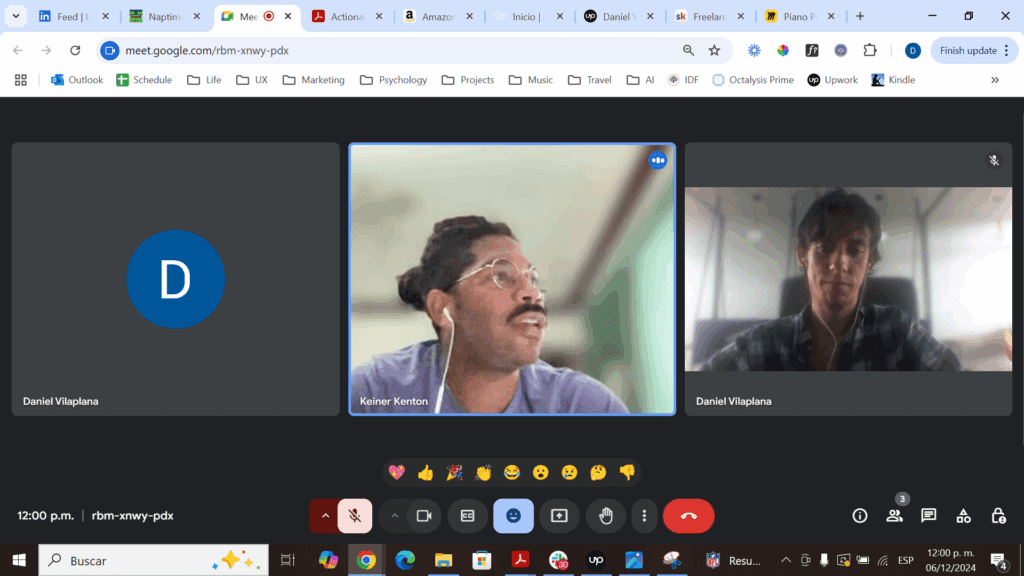
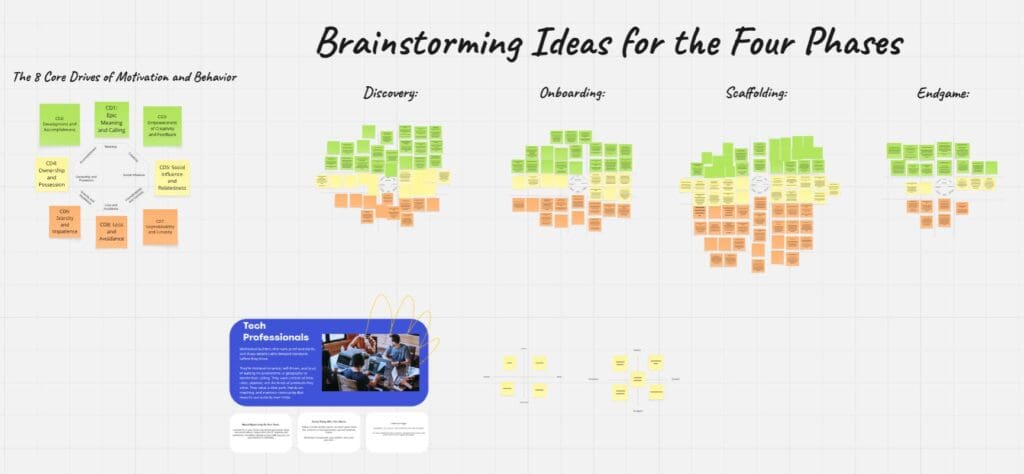
Run some brainstorming sessions individually and with focus groups with the rest of the team.

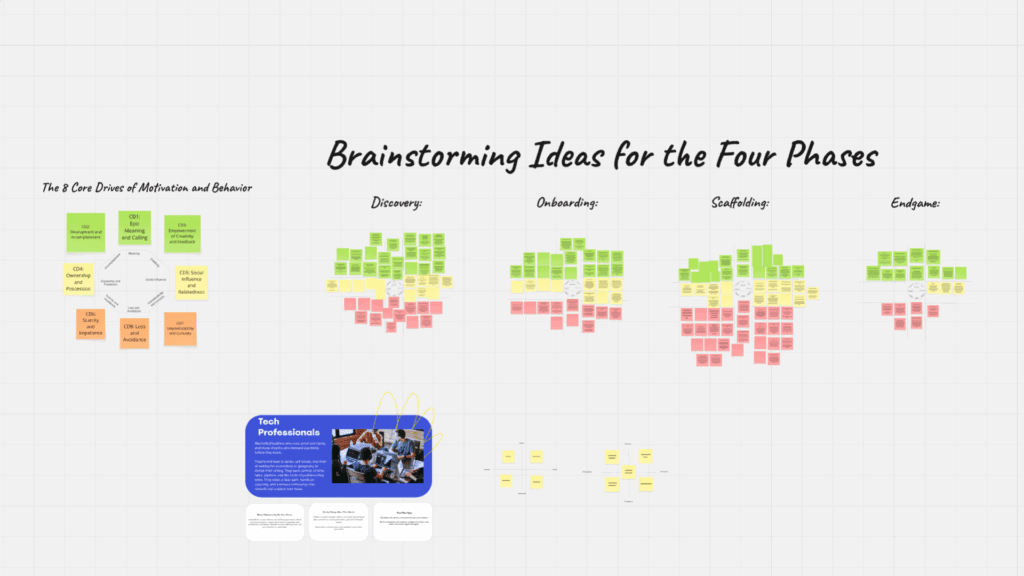
Number of ideas after the ideation phase, for each of the four phases of the user journey of the upcoming platform.

– Discovery: 48
Onboarding: 39
Scaffolding: 72
Endgame: 23
Total: 183

After Curation:

– Discovery: 45
Onboarding: 38
Scaffolding: 29
Endgame: 21
Total: 169

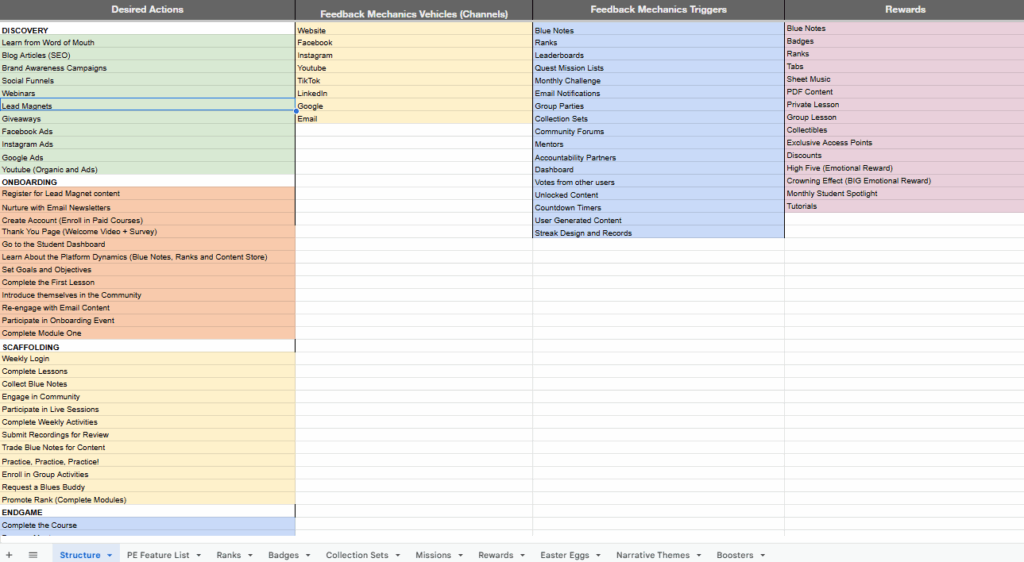
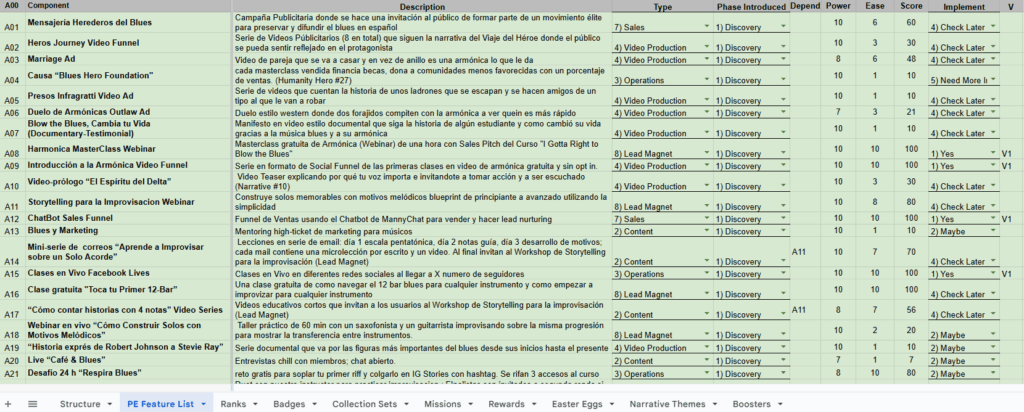
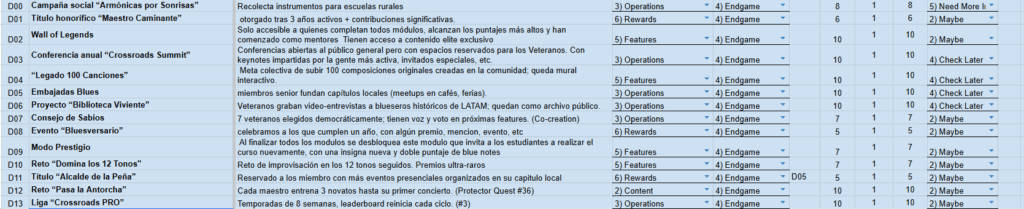
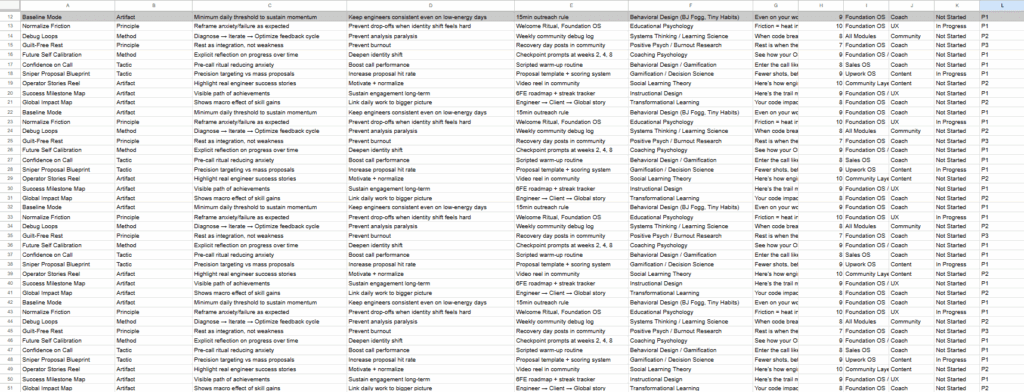
All of the brainstorming and ideation concepts were moved to the Battleplan Spreadsheet a master document used in the Octalysis Framework as a way to initate the foundation of a roadmap to organize feature ideas, reward systems, desired actions, and triggers.

The Structure Tab: Captures all desired actions, triggers, channels and reward systems

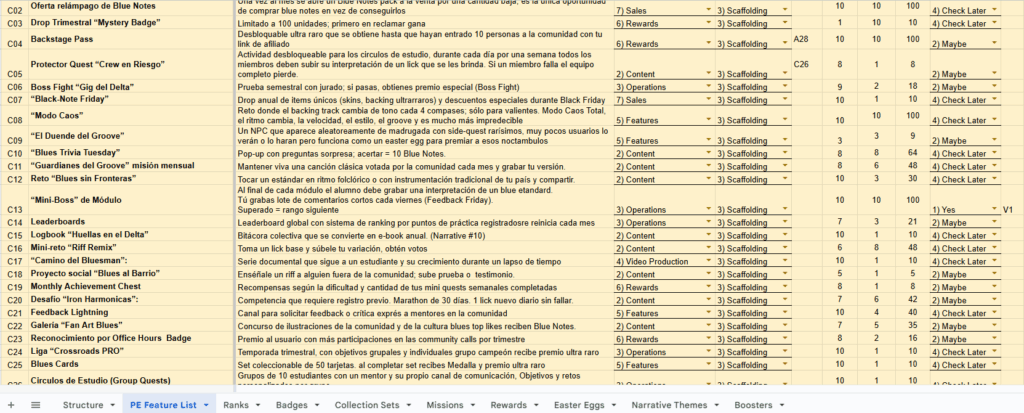
THE feature list: capturing all ideas, color coded for phase, with categories, scoring systems for impact, difficulty, etc

For v2 picked up the 50 features with the highest impact and lower cost/effort to implement.

Phase III: Evolving the Program, Curriculum and Observing Results...

Started to implement behavioral science and gamified mecanics in the new program.
Additionally set the foundations for a new roadmap.

After capturing deep insights with UX Research methods and auditing the existing program, I was able to identify where the experience was failing short for the different player types.

I was able to identify a very poor onboarding, where no clear expectations were set, multiple gaps were present and how to balance the experience for everyone.

The original program was basically tailored for the Tech Warrior archetype but they are just 15% of the population.

We were now able to shape a new learning experience and curriculum that was covering all the weak points.

Helping structuring the new curriculum to create a unified journey merging the previous offers in one main learning path with addon programs.

Joined daily performance calls to review metrics, report on insights, provide feedback and ensure the implementation was in the right direction.

The users started to perform more and be more active once they started to see changes and improvements.
Several members that abandoned or left after "graduating" decided to come back and were more active than before.

week after week, we started to see decrease in churn rates, even the lead nurturing recomendations were increasing show up rates for new sales calls.

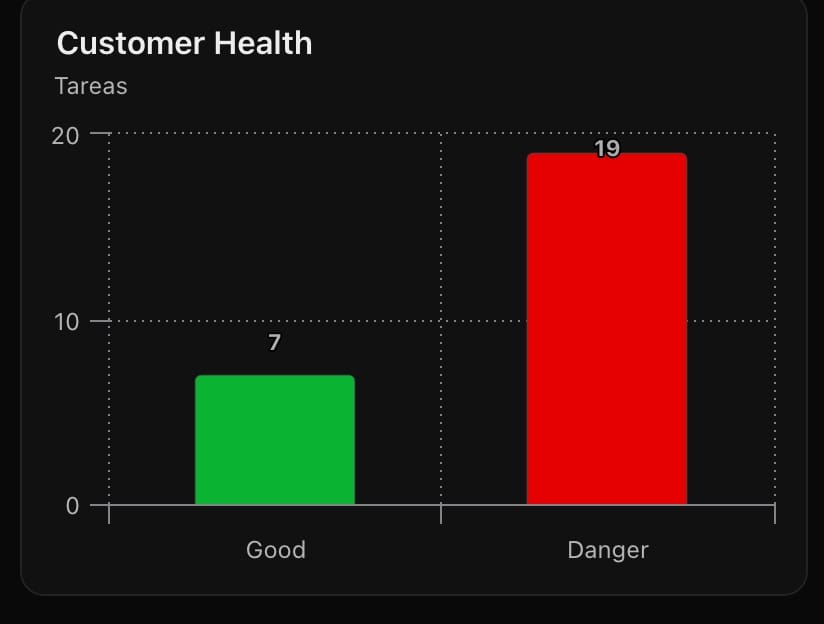
Churn rates at the start of the project

Churn Rates at the end of the project

Reflections on the Experience:

It was a exciting project were I was able to understand deeply how people learn, what motivates them and what could be different internal and external blockers.

I also had a really deep connection with the project as one of the original beta testers and one of the biggest success stories.

That eventually made me mentor others, host occasional workshops and see the program evolve from day one to present day.

That truly gave me the edge to improve the design process as most of the people in the program already knew and trusted me so it was easier to get them to open up about their successes, shortcoming and failures.

Which were all integrated into a stronger offer that was now addressing all of their weak points.

Reducing churn rates by 45% after all the implementations is a testament of the process done and seeing the engagement sky-rocket really validated all the work done.

Once the user is put on the center everything truly changes.

Really excited to see how the project evolves from here!

Scroll to Top